If you’re a business owner in Anne Arundel County planning a new parking lot or considering replacing an existing one, you’ve likely faced this question: asphalt or concrete? It’s one of the most common questions we hear from commercial clients, and the answer isn’t always as simple as you might think.
Both materials have their strengths. Both have their drawbacks. The right choice depends on your specific property, your traffic patterns, your budget, and even the kind of business you run. Let’s break it down so you can make an informed decision.
The Case for Asphalt
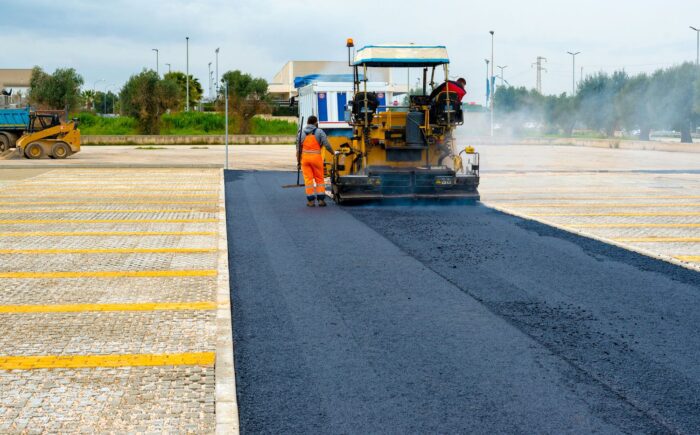
Asphalt is what we do best, and for good reason. It’s the most popular choice for commercial parking lots across Maryland, and it’s been the backbone of Cooper Paving since 1958.
- Cost is the biggest factor. Asphalt typically costs significantly less to install than concrete. For a typical commercial lot, the difference can be substantial, often 30 to 50 percent less upfront. For businesses watching their construction budget, that’s hard to ignore.
- Asphalt handles our climate better. Anne Arundel County winters bring freeze-thaw cycles that can be brutal on pavement. Asphalt is flexible, which means it expands and contracts with temperature changes without cracking as easily as rigid concrete. When properly installed with a solid base, asphalt absorbs the stress of our local weather.
- Repairs are simpler and faster. When an asphalt lot develops cracks or potholes, we can patch them quickly and get your lot back in service. Repairs blend in reasonably well and don’t require extended downtime. Concrete repairs, on the other hand, are more involved and take longer to cure.
- Snow and ice melt faster. Dark asphalt absorbs sunlight and retains heat, which means snow and ice melt more quickly than on lighter-colored concrete. For business owners dealing with Maryland winters, that’s a practical advantage that can reduce your snow removal costs and liability.
The Case for Concrete
Concrete has its place, especially for certain commercial applications.
- Durability is a major selling point. A properly installed concrete lot can last thirty to forty years or more. Asphalt typically lasts fifteen to twenty years with good maintenance. If you’re looking for a truly long-term solution and have the budget, concrete might be your answer.
- Concrete handles heavy, concentrated loads better. If your business deals with extremely heavy equipment or has specific spots where vehicles sit for extended periods, concrete’s rigidity prevents the settling and rutting that can occur with asphalt.
- Maintenance requirements are lower. Concrete doesn’t need seal coating like asphalt does. It’s more resistant to oil and chemical spills, which is why you often see concrete around gas stations and industrial facilities.
- The appearance is different. Some business owners prefer the clean, light appearance of concrete for aesthetic reasons. It can make a property look brighter and more polished.
The Downsides of Each
Asphalt requires more maintenance. You’ll need seal coating every two to three years and regular crack filling to extend its life. Without maintenance, asphalt deteriorates faster than concrete.
Concrete costs more upfront. That initial investment is significantly higher, and it’s harder to justify for businesses with tight budgets or uncertain timelines.
Concrete repairs are expensive and obvious. When concrete cracks, and it eventually will, repairs are costly and rarely match the surrounding surface. Patching concrete leaves visible seams that never quite look right.
Concrete is more sensitive to improper installation. If the base isn’t perfect, concrete cracks. Asphalt is more forgiving of minor base imperfections.
Making the Right Choice for Your Business
For most retail centers, office parks, and shopping plazas, asphalt is the practical choice. It’s affordable, handles our climate well, and with regular maintenance, it provides excellent service for twenty years.
For industrial facilities with constant heavy equipment, gas stations with fuel spill risks, or high-end properties where appearance justifies the extra cost, concrete makes more sense.
For properties near waterfront areas like Edgewater or Gibson Island, we often recommend asphalt due to its flexibility in shifting soils and resistance to salt air damage.
Let’s Talk About Your Property
Choosing between asphalt or concrete isn’t a decision to make lightly. We have helped countless Anne Arundel County businesses weigh the pros and cons based on their specific needs. We’ll give you honest advice, not just push you toward asphalt because that’s what we do.
Ready to explore your options? Contact Cooper Paving for a free estimate. We’ll evaluate your property, discuss your budget and needs, and help you make the choice that’s right for your business. With over sixty years in the business, we know what works in Anne Arundel County.