
Winter weather can be tough on pavement. Snow, ice and temperature swings create the perfect conditions for cracks, potholes and other costly damage. With a bit of preparation and consistent upkeep, you can maintain your pavement all season long. Understanding what your pavement needs before the cold sets in, and how to care for it throughout the winter, can save you from major repairs when spring arrives.
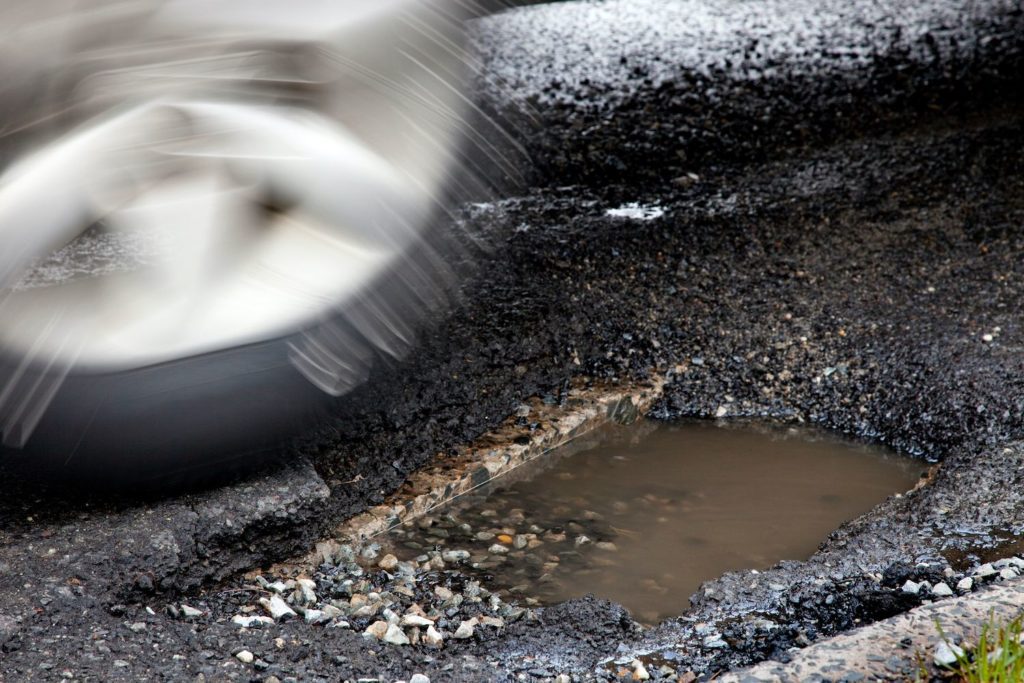
Inspect for Damage Before the First Freeze
A strong winter maintenance routine begins long before snow hits the ground. Early winter or late fall is the ideal time to walk your property and inspect your pavement for cracks, uneven surfaces or drainage issues. Even small cracks can quickly expand when water seeps in and freezes, so addressing them early can prevent larger problems. Sealcoating and crack filling are especially useful preventive steps, as they help keep water from penetrating the pavement once temperatures drop.
Keep Pavement Clear of Snow and Ice
Once winter arrives, the most important task is keeping your pavement free from snow and ice. Not only does this maintain safety for drivers and pedestrians, but it also protects the pavement structure itself. Snow that sits for long periods can melt during the day, seep into cracks and refreeze at night, causing expansion and stress. Consistent snow removal reduces this cycle of freeze and thaw.
Using the right tools matters. Plastic shovels or snow blowers are gentler on pavement surfaces than metal blades, which may scrape or chip asphalt and concrete. If you use plows, make sure the blades are properly fitted with rubber edges to minimize surface damage.
Use De-Icing Products Carefully
De-icing chemicals can be helpful, but using them the wrong way may harm your pavement over time. Rock salt is effective at melting ice, but it can accelerate the freeze–thaw cycle and may damage concrete surfaces. It can also contribute to corrosion in nearby structures and landscaping.
Choose milder ice-melt products when possible. Calcium magnesium acetate and potassium chloride are generally safer options that reduce the risk of surface deterioration. Sand is another alternative for improving traction without affecting the pavement at all. Regardless of the product you use, apply it sparingly and only as needed.
Improve Winter Drainage Conditions
Good drainage is essential all year, but it becomes especially important during winter. Blocked drains, clogged gutters and uneven surfaces allow melted snow to pool on the pavement. When temperatures drop again, these puddles freeze and expand, which can widen cracks and push apart surface layers. Regularly clearing drains and moving snow away from the edges of the pavement can encourage proper runoff. If you notice standing water after snow melts, you may have underlying grading or structural issues to address once warmer weather returns.
Avoid Heavy Loads on Frozen Pavement
Pavement can become more brittle during extreme cold. Heavy delivery vehicles, construction equipment or even repeated parking of large trucks can contribute to cracks or surface deformities. Whenever possible, reroute or limit heavy traffic on particularly cold days to reduce unnecessary stress. Temporary signage or designated parking areas can help protect vulnerable sections of your pavement until temperatures begin to rise again.
Plan for Post-Winter Repairs
Even the best winter maintenance routine cannot prevent every issue. By the time spring arrives, you may notice new cracks or small areas of deterioration that developed over the winter months. Addressing these early prevents them from growing into larger, more expensive repairs. Spring is also an excellent time for sealcoating, patching and resurfacing projects because temperatures are more favorable and the pavement is ready for renewal after months of harsh weather.
Pavement Maintenance in Annapolis, MD
At Cooper Paving, we are dedicated to helping you maintain your property through professional paving services. Both new and old pavement alike can suffer during the winter months without proper care. If you need help maintaining or updating your pavement, don’t hesitate to reach out. Contact us today to schedule an inspection and learn more about how to maintain your pavement.